
The Best Fluffy Pancakes recipe you will fall in love with. Full of tips and tricks to help you make the best pancakes.


Table of Contents
Introduction
There’s something truly magical about a steaming bowl of Moroccan Harira. Imagine a soup that is both incredibly hearty and delicately spiced, with a texture as smooth as silk and a flavor that dances between tangy tomatoes, warm spices, and earthy legumes. This is not just any soup; it’s a culinary hug, a bowl of comfort that has nourished generations. Harira holds a place of honor in Morocco, especially during the holy month of Ramadan, where it is the traditional dish for breaking the daily fast. In fact, the tradition is so deeply ingrained that many Moroccans feel their Iftar meal is incomplete without it. The name itself, derived from the Arabic word for “silk,” hints at the luxurious, velvety texture achieved by a special thickening technique. What makes this dish so special for home cooks is its beautiful flexibility. While it simmers with complex flavors, the process is straightforward and forgiving. Unlike our popular Classic Lentil Soup, Harira is a more substantial meal-in-a-bowl, packed with protein and fiber, yet it can be on your table in just over an hour. Get ready to fill your kitchen with an irresistible aroma and your belly with the best hearty soup you’ll ever taste!
What is Moroccan Harira?
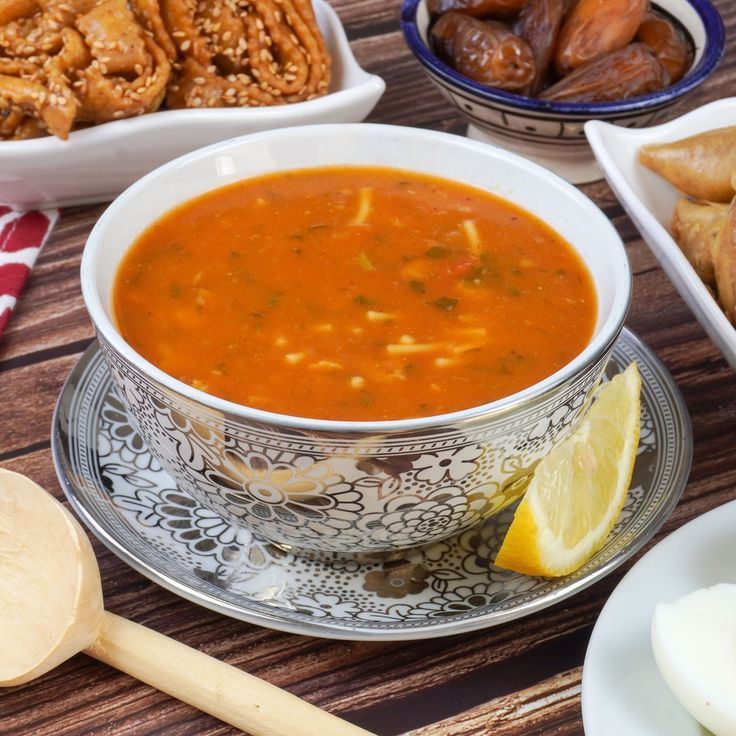
So, what exactly is this “Harira” we’re so excited about? Is it a stew? A soup? A magical potion that turns a hungry mood into a happy one? Well, my friend, it’s a little bit of all the above! This iconic dish is the rock star of Moroccan cuisine, a tomato-based masterpiece loaded with lentils, chickpeas, and fragrant spices. But why is it called “Harira”? The name comes from the Arabic word “hareer,” which means silk—a perfect description for its uniquely smooth and velvety texture once it’s been thickened. There’s a classic saying that ‘the way to a person’s heart is through their stomach,’ and a steaming bowl of this wholesome, flavorful soup is a surefire path to success. It’s the ultimate comfort food that feels both exotic and familiar. Ready to win some hearts and warm some souls?
Why You’ll Love This Moroccan Harira Recipe
You’re going to be head over heels for this recipe, and here’s why. First, the absolute highlight is the deep, complex flavor. We’re talking about a symphony of warm spices like ginger, turmeric, and cinnamon playing against the bright acidity of tomatoes and the fresh, herbal notes of cilantro and parsley. Every spoonful is an adventure for your taste buds.
Second, let’s talk about the incredible cost-saving benefit. Making a large pot of this hearty soup at home is significantly cheaper than eating out. A single batch yields plenty of servings, making it an incredibly economical choice for feeding a family or for weekly meal prep. It’s a restaurant-quality meal on a home-cooked budget.
Finally, the customization possibilities are what make it truly special. This recipe is a fantastic template. You can keep it with meat for a deeply savory stock, or easily make it vegetarian by using vegetable broth and skipping the meat—it will be just as satisfying and delicious. If you enjoy the hearty, legume-based comfort of our Hearty Lentil Soup, you’ll adore how Harira elevates the concept with its unique spice profile and silky texture. So, grab your stockpot and get ready to fall in love with your new favorite Moroccan Harira Recipe!
How to Make Moroccan Harira Recipe
Quick Overview
Creating an authentic-tasting Harira at home is an easy and satisfying process. This recipe uses a straightforward simmering method that allows the flavors to meld beautifully. The key is building a flavorful base with onions, celery, and herbs, then incorporating a unique blend of warm spices. The standout feature is the final step of adding a flour-based thickener (called a tedouira), which gives the soup its signature silky texture. The active prep time is about 20 minutes, with a total cook time of 45-60 minutes.
Key Ingredients for Moroccan Harira Recipe
For the Soup Base:
- 2 tablespoons olive oil
- 1 large yellow onion, finely diced
- 2 celery stalks, finely chopped
- 3-4 cloves garlic, minced
- 1/2 cup chopped fresh parsley
- 1/2 cup chopped fresh cilantro
- 1 (28-ounce) can crushed tomatoes
- 2 tablespoons tomato paste
Protein & Legumes:
- 1 lb (450g) boneless lamb, beef, or chicken, diced (optional, see note below)
- 1 cup green or brown lentils, rinsed
- 1 (15-ounce) can chickpeas, drained and rinsed
The Spice Blend:
- 2 teaspoons ground ginger
- 1 ½ teaspoons ground turmeric
- 1 teaspoon ground cumin
- 1 teaspoon ground cinnamon
- 1 ½ teaspoons black pepper
- 1 ½ teaspoons salt (or to taste)
Liquid & Thickener:
- 7 cups low-sodium chicken or vegetable broth
- ⅓ cup vermicelli pasta, broken into small pieces
- 3 tablespoons all-purpose flour mixed with 1 cup lukewarm water (for the tedouira thickener)
For Serving:
Step-by-Step Instructions:
- Sauté the Aromatics: In a large Dutch oven or heavy-bottomed pot, heat the olive oil over medium heat. Add the diced onion and celery and cook, stirring occasionally, for about 5-7 minutes, until they have softened. Add the minced garlic and cook for another 30 seconds until fragrant.
- Brown the Meat (If Using): If you are using meat, add the diced lamb, beef, or chicken to the pot. Cook, stirring occasionally, until the meat is browned on all sides. This step builds a deep, savory flavor base.
- Add Spices and Tomato Paste: Add the ginger, turmeric, cumin, cinnamon, black pepper, and salt to the pot. Stir constantly for about one minute to toast the spices and release their aromas. Then, add the tomato paste and cook for another 2 minutes, stirring to coat everything.
- Simmer the Soup: Pour in the crushed tomatoes, broth, rinsed lentils, and half of the chopped parsley and cilantro. If you are using canned chickpeas, do not add them yet. Bring the soup to a boil, then reduce the heat to low, cover, and let it simmer gently for 30-40 minutes, or until the lentils are tender and the meat is cooked through.
- Add Chickpeas and Vermicelli: Stir in the drained chickpeas and the broken vermicelli pasta. Continue to simmer, uncovered, for another 10 minutes, or until the vermicelli is tender.
- Create the Silky Texture (Tedouira): In a separate bowl, whisk the flour with 1 cup of lukewarm water until completely smooth and lump-free. While stirring the soup continuously, slowly drizzle the flour mixture into the pot.
- Final Simmer and Serve: Continue to cook the soup for another 5-10 minutes, stirring occasionally, until it has thickened to a rich, silky consistency. Turn off the heat and stir in the remaining fresh herbs. Serve immediately with lemon wedges on the side for a bright, fresh squeeze over each bowl.
What to Serve With Moroccan Harira Recipe

While this soup is a complete meal on its own, it pairs beautifully with traditional accompaniments. For an authentic Moroccan experience, serve it with sweet dates or fresh figs to balance the soup’s tangy and savory notes. A side of chebakia—a beautiful, rose-shaped sesame cookie dipped in honey—is also a classic choice for breaking the fast during Ramadan. For a simple, everyday meal, warm pita bread or crusty bread is perfect for soaking up every last bit of the delicious soup. A fresh, simple salad like a Cucumber Tomato Salad provides a cool, crisp contrast to the hearty, spiced soup.
Top Tips for Perfecting Moroccan Harira Recipe
- Don’t Skip the Tedouira: The flour-and-water thickener (tedouira) is what gives Harira its signature silkiness. For a perfectly lump-free consistency, whisk the flour and water vigorously and consider straining it through a fine-mesh sieve as you drizzle it into the soup.
- Customize Your Herbs: While a combination of parsley and cilantro is traditional, you can adjust the ratios to your taste. If you’re not a fan of cilantro, using all parsley will still yield a delicious result.
- Blend for a Smooth Base (Shortcut): For an even smoother and deeper flavor base, you can blend the sautéed onions, celery, and garlic with the fresh herbs and canned tomatoes until smooth before adding the broth and lentils. This creates a velvety foundation for the soup.
- Manage Your Pasta and Rice: To prevent vermicelli or rice from becoming mushy in leftovers, consider cooking it separately and adding it to individual bowls when serving. If you plan to freeze the soup, it’s best to do so without the pasta or rice and add it fresh when you reheat.
- Brown Your Meat Well: If using meat, take the time to sear it properly until well-browned. This isn’t just to cook the meat; it’s to create a fond (the browned bits on the bottom of the pot) that will add immense depth of flavor to the entire soup.
Storing and Reheating Tips
Storing Leftovers: Allow the soup to cool completely to room temperature before transferring it to an airtight container. It will keep in the refrigerator for 3 to 5 days.
Freezing: Harira freezes exceptionally well, making it a fantastic make-ahead meal. For the best texture, freeze the soup before adding the vermicelli or rice. Place the cooled soup in freezer-safe containers or bags, leaving a little space for expansion. It can be frozen for up to 3 months.
Reheating for Best Results:
- From the Fridge: Reheat the soup in a pot over medium-low heat, stirring frequently. The soup will have thickened significantly, so add a splash of water or broth to loosen it to your desired consistency.
- From the Frozen: Thaw the soup overnight in the refrigerator before reheating on the stovetop. If you forgot to thaw, you can reheat it gently from frozen over low heat, adding extra liquid as needed.
- Completing the Meal: If you froze the soup without vermicelli, this is the time to add it! Simmer the thawed soup until hot, then add the dry vermicelli and cook for the final 10 minutes until tender.



[…] staples. Unlike our more involved Classic Chili, which benefits from a long simmer, this taco soup is wonderfully quick but doesn’t skimp on depth. It’s a family-friendly meal that lets […]