The Best Fluffy Pancakes recipe you will fall in love with. Full of tips and tricks to help you make the best pancakes.


Table of Contents
Introduction
There’s a world of difference between a simple bowl of noodle soup and a truly transcendent one. That difference lies in the depth of flavor—a rich, complex, and soul-satisfying broth that makes every spoonful an event. What if you could unlock the secrets to creating that kind of magical, umami-packed, aromatic broth right in your own kitchen? The good news is, you don’t need to be a professional chef. The key is knowing a few simple, powerhouse ingredients that elevate the humble noodle soup into a culinary masterpiece. Did you know that the earliest recorded evidence of noodle soup dates back to China over 2,000 years ago? It’s a dish with ancient roots, perfected across generations. This recipe is special because it demystifies those pro-level techniques, offering a straightforward path to an incredibly flavorful, family-friendly meal that’s ready in under an hour. If you love the comforting vibes of our Hearty Chicken Noodle Soup, you’ll adore how these secret ingredients add a new dimension of flavor. Get ready to make the best noodle soup of your life!
What is Noodle Soup?
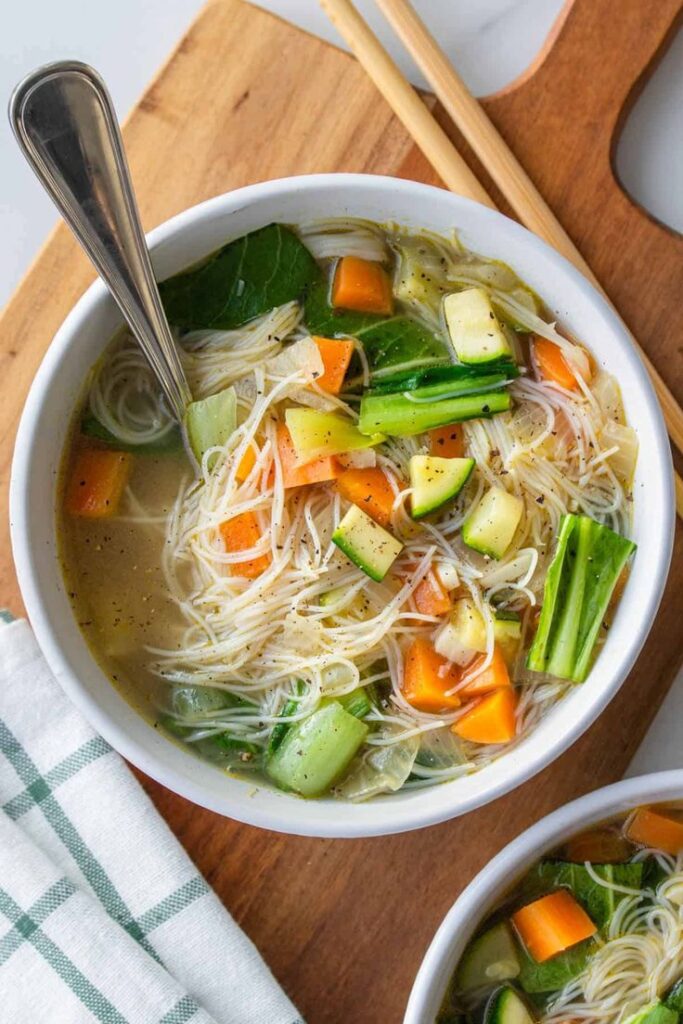
So, what exactly are we talking about when we say “noodle soup“? It sounds straightforward enough, right? Broth, noodles, maybe some veggies. But is that all there is to it? Of course not! The name itself is a humble descriptor for one of the world’s most beloved comfort foods. It’s the culinary equivalent of a warm hug. Why has this simple combination captivated cultures across the globe for centuries? Because it’s the ultimate canvas for flavor. They say the way to a person’s heart is through their stomach, and a steaming, fragrant, lovingly-made bowl of noodle soup is perhaps the most direct route. It’s a dish that says “I care” in every single slurp. Ready to show someone you care? Let’s start cooking.
Why You’ll Love This Noodle Soup
You are going to fall head over heels for this recipe because it transforms a weeknight staple into a gourmet experience. Let’s break down exactly what makes it so special.
First, the incredible depth of flavor is an absolute game-changer. By incorporating our seven secret ingredients, you’ll create a broth that is layered, complex, and deeply satisfying. It’s the kind of soup that makes you close your eyes and savor every single sip.
Second, crafting this restaurant-quality bowl at home is a massive cost-saver. A similar bowl at a ramen or pho shop can be pricey, but this recipe lets you create something even more tailored to your taste for a fraction of the cost. You control the sodium, the spice level, and the quality of every single component.
Finally, the endless customization makes it a forever favorite. The base broth is a masterpiece on its own, but it also serves as the perfect foundation for your favorite proteins and veggies. If you enjoy building your own bowl like with our Quick & Easy Ramen Bar, you’ll love the creative freedom this soup provides. Convinced? Your journey to an unforgettable pot of soup starts right now.
How to Make Noodle Soup
Quick Overview
This noodle soup recipe is all about building a powerhouse broth with minimal fuss. It’s a simple process of layering flavors using 7 secret ingredients to create a deeply savory, aromatic, and satisfying soup. The active prep time is just 20 minutes, with a total simmering time of about 40 minutes to develop the rich flavor.
Key Ingredients for Noodle Soup
For the Aromatic Base:
- 1 tablespoon neutral oil (like avocado or canola)
- 1 large onion, roughly chopped
- 4 cloves garlic, smashed
- 2-inch piece of fresh ginger, sliced
- 8 cups chicken or vegetable broth
The 7 Secret Ingredients:
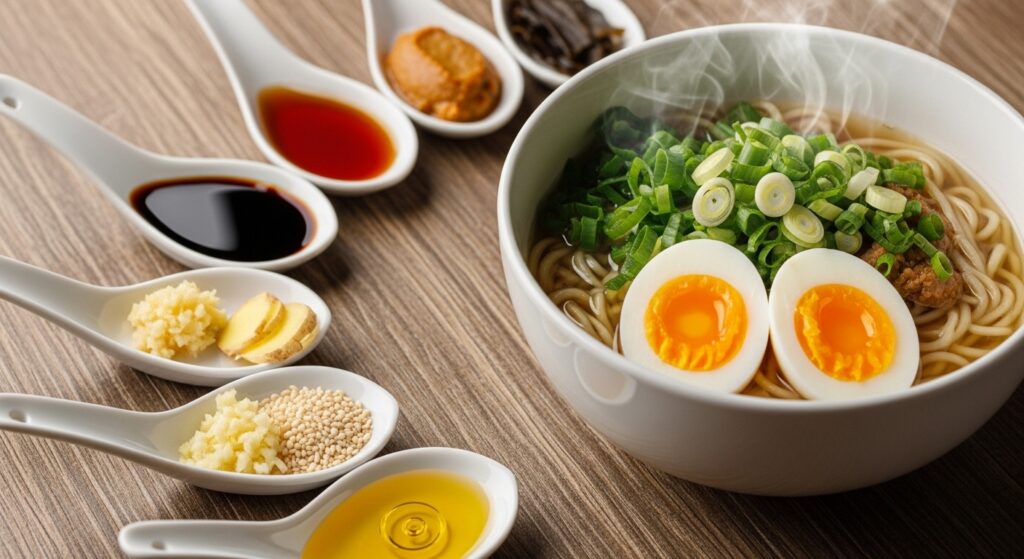
- Kombu: One 4×4 inch piece of dried kelp
- Fish Sauce: 2 tablespoons
- Soy Sauce: 3 tablespoons
- White Miso Paste: 2 tablespoons
- Sesame Oil: 1 teaspoon (to finish)
- A touch of Sugar: 1 teaspoon of brown sugar
- Rice Vinegar: 1 tablespoon
For the Rest of the Soup:
- 8 ounces dried noodles (ramen, udon, or soba)
- 2 cups sliced vegetables (bok choy, mushrooms, carrots)
- Protein of choice: sliced chicken, tofu, or a soft-boiled egg
- For garnish: sliced green onions, chili oil, fresh cilantro
Step-by-Step Instructions:
- Build the Aromatic Base: In a large stockpot, heat the neutral oil over medium heat. Add the chopped onion and cook for 5 minutes until softened. Add the smashed garlic and sliced ginger, and cook for another minute until incredibly fragrant.
- Start the Broth: Pour in the chicken or vegetable broth. Add the piece of dried kombu. Bring the pot to a gentle simmer, then reduce the heat to low. Let it simmer gently for 20 minutes to allow the kombu to infuse its umami goodness. Do not boil vigorously, as this can make the broth bitter.
- Remove the Kombu: After 20 minutes, use tongs to remove and discard the kombu.
- Incorporate the Secret Sauces: To the simmering broth, add the fish sauce, soy sauce, brown sugar, and rice vinegar. Stir to combine. Taste the broth at this stage—it should be savory, a little sweet, and deeply flavorful.
- Cook Your Noodles & Veggies: In a separate pot, cook your chosen noodles according to package directions. Drain and rinse briefly to stop the cooking. In the last 5 minutes of the broth simmering, add your firmer vegetables (like carrots) to cook. In the last 2 minutes, add softer veggies (like bok choy).
- Add the Miso: Here’s a crucial step for the miso! Turn off the heat under the soup. Ladle about 1/2 cup of the hot broth into a small bowl and whisk in the white miso paste until it’s completely dissolved. Then, stir this mixture back into the large pot. This prevents the miso from being cooked at a boil, which destroys its delicate probiotics and flavor.
- Assemble Your Bowls: Divide the cooked noodles among bowls. Ladle the hot broth and vegetables over the top. Add your cooked protein (sliced chicken, tofu, or a soft-boiled egg). Drizzle with the secret finishing ingredient—the sesame oil—and garnish with green onions.
What to Serve Noodle Soup With
This noodle soup is a complete meal in a bowl, but it pairs beautifully with a few simple sides. For a classic combination, serve it with crispy vegetable spring rolls or gyoza (potstickers) for dipping. A light, crunchy side salad with a ginger-sesame dressing provides a refreshing contrast. For a heartier meal, nothing beats a side of Japanese fried rice (yakimeshi). And of course, a pot of green tea or a cold, crisp lager are the perfect beverage companions.
Top Tips for Perfecting Noodle Soup
- Don’t Cook Noodles in the Broth: Always cook noodles separately. If you cook them directly in the soup, they will release starch and make your beautifully clear broth cloudy and thick.
- Layer Your Umami: Add the secret ingredients in stages. The kombu provides a base umami, the fish and soy sauces add saltiness and depth, and the miso gives a final, rich, fermented complexity.
- Customize Your Bowl: This soup is a template! Swap the veggies for what you have on hand—broccoli, spinach, or corn all work well. For a spicy kick, add a spoonful of chili crisp or sriracha at the end.
- Low and Slow for Aromatics: Gently sautéing the onion, garlic, and ginger without browning them allows their sweet, aromatic flavors to meld perfectly into the broth.
- Finish with Freshness: The final drizzle of sesame oil and sprinkle of green onions are non-negotiable! They add a burst of fresh aroma and flavor that elevates the entire dish.
Storing and Reheating Tips
Storing Leftovers: Store the broth, noodles, and toppings separately in airtight containers in the refrigerator. The broth will keep for up to 5 days, and the noodles for 2-3 days.
Reheating for Best Results: Reheat only the broth in a pot over medium heat until simmering. Place cold noodles in your bowl and pour the hot broth over them to warm them through. This prevents the noodles from becoming mushy. If your noodles have clumped together, rinse them briefly with warm water to separate before adding to the bowl.
Freezing: The broth freezes exceptionally well. Let it cool completely, then freeze it in freezer-safe containers or bags for up to 3 months. Thaw overnight in the refrigerator before reheating. Do not freeze cooked noodles, as they will become unpleasantly soft and mushy upon thawing.